Tribal Rugs in Milwaukee, WI: Bold Patterns and Traditional Weaving Styles
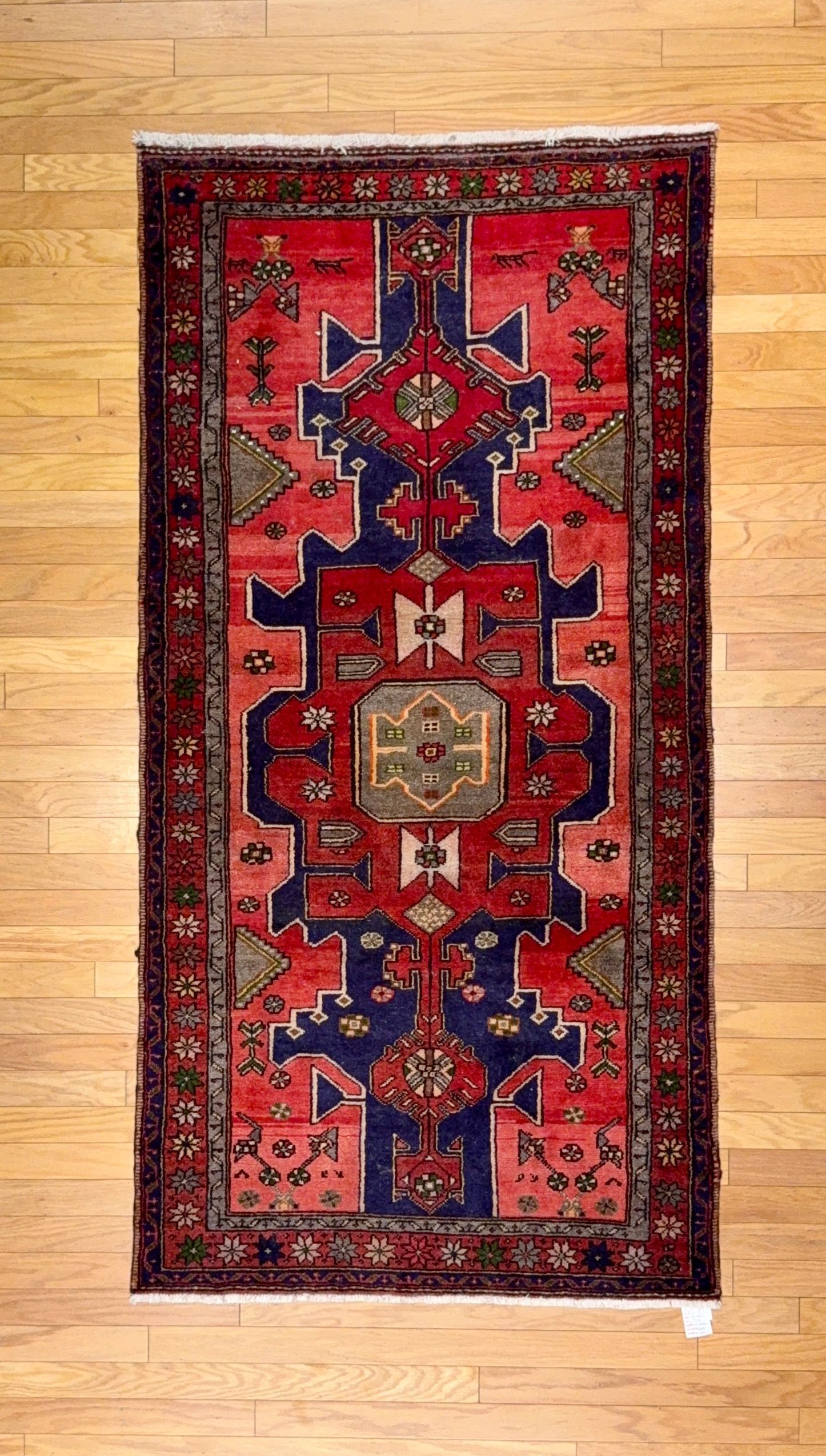
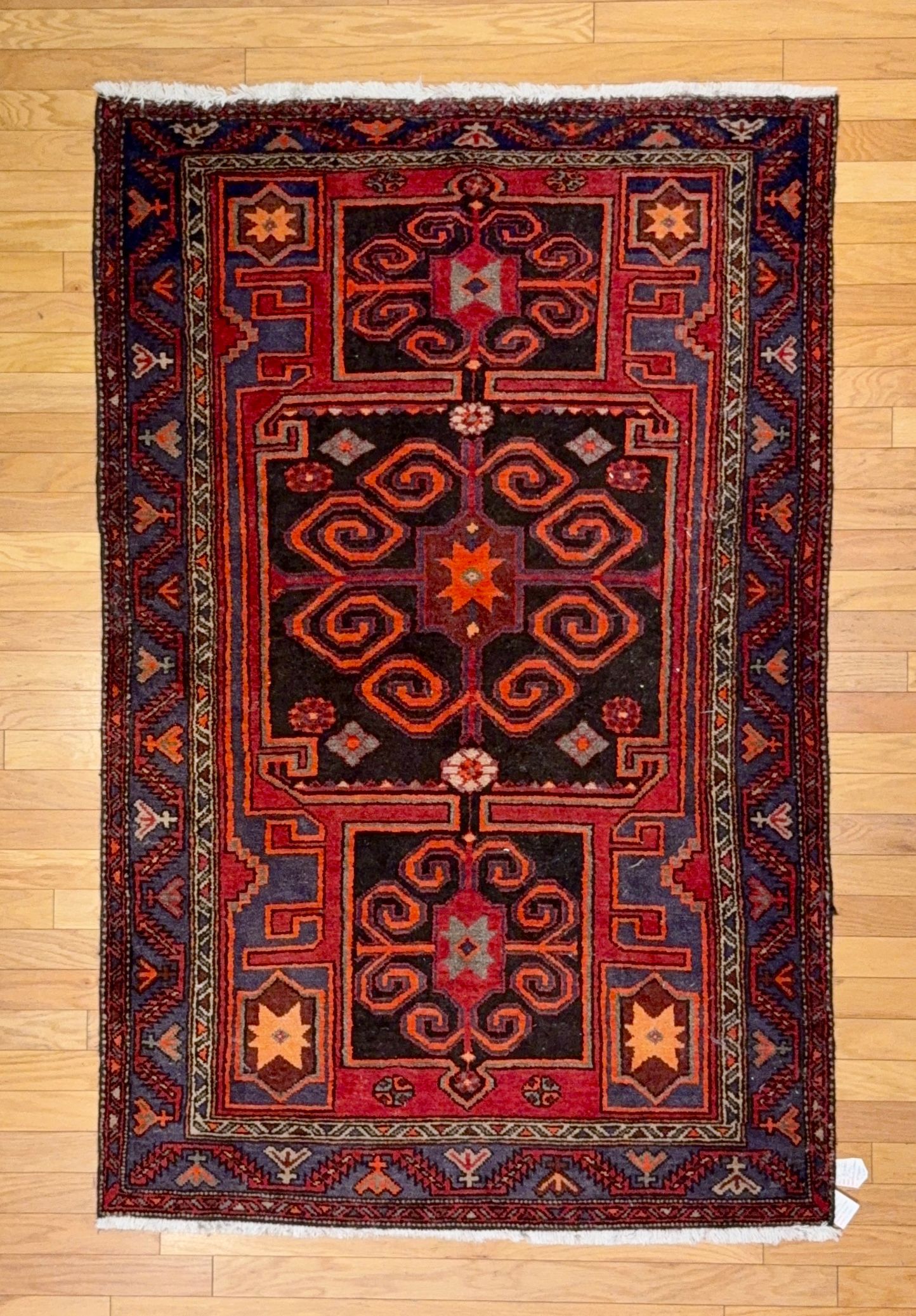
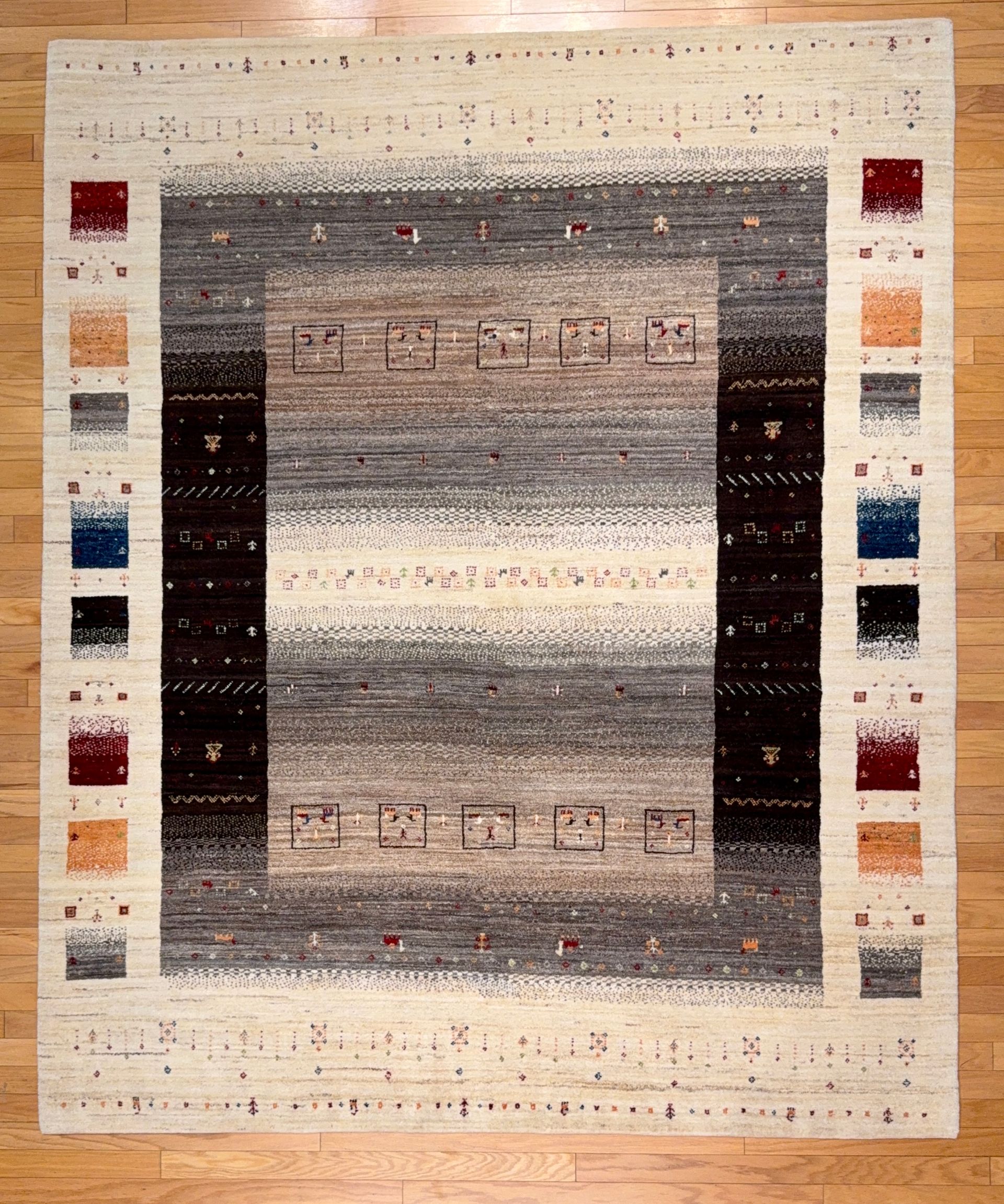
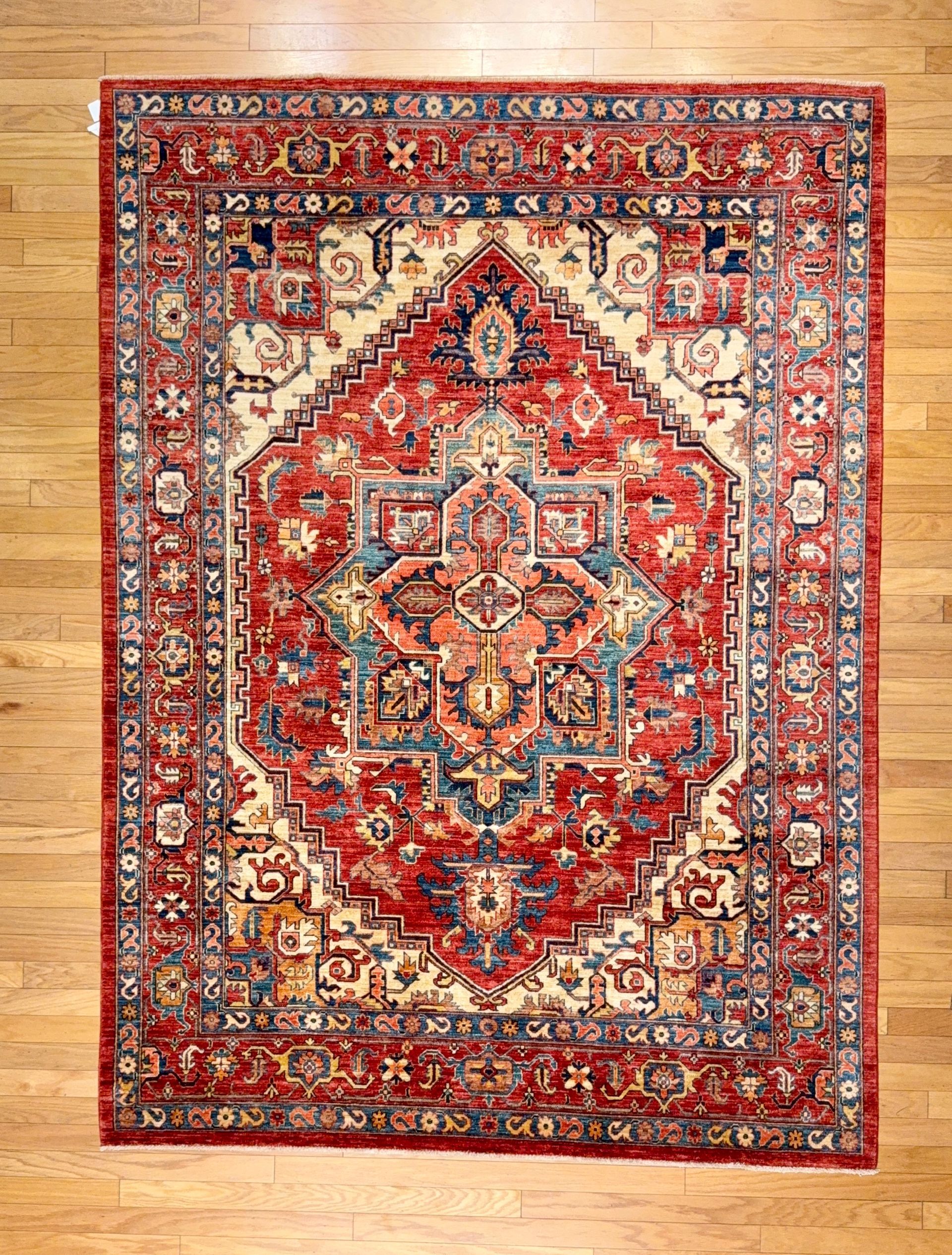
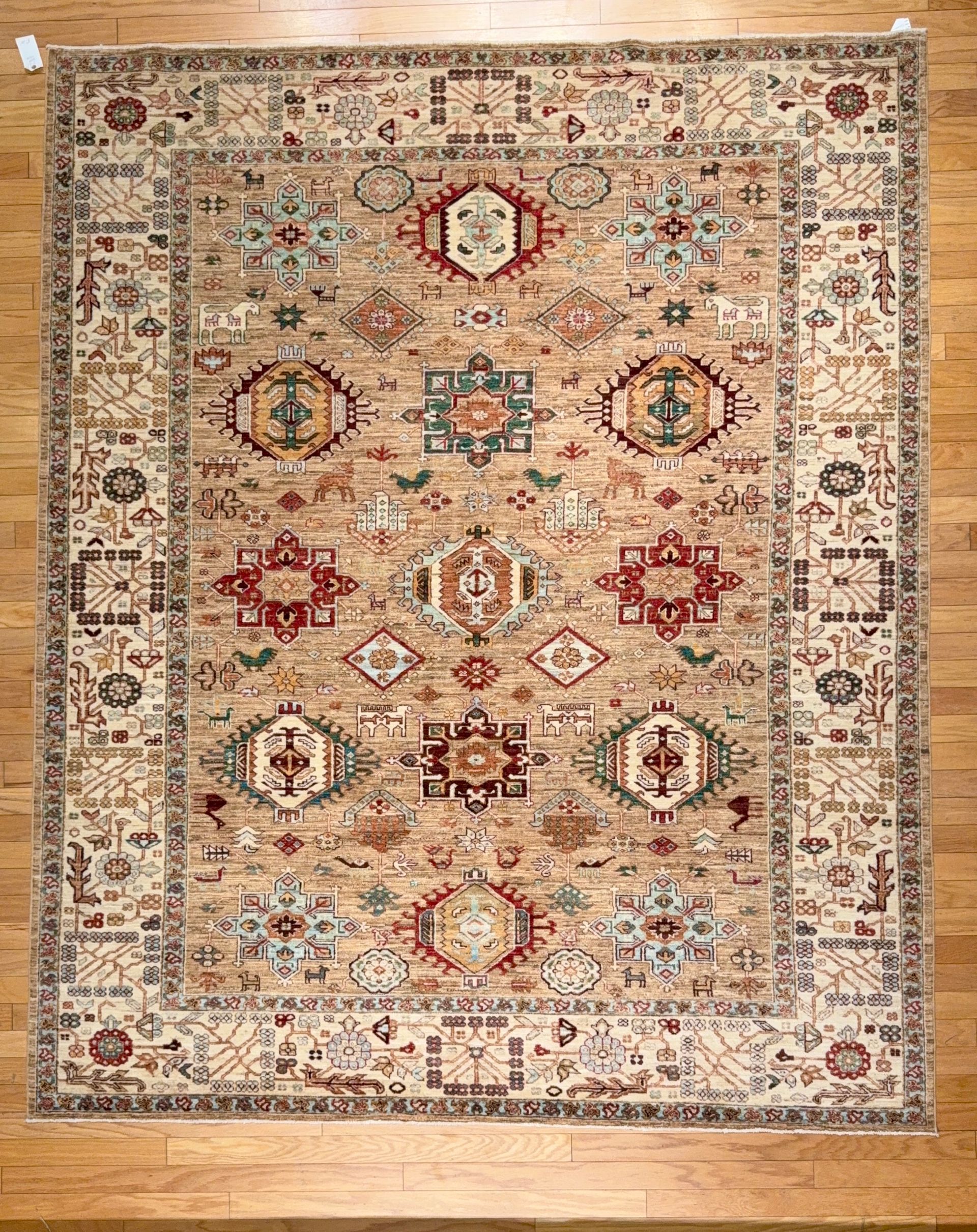
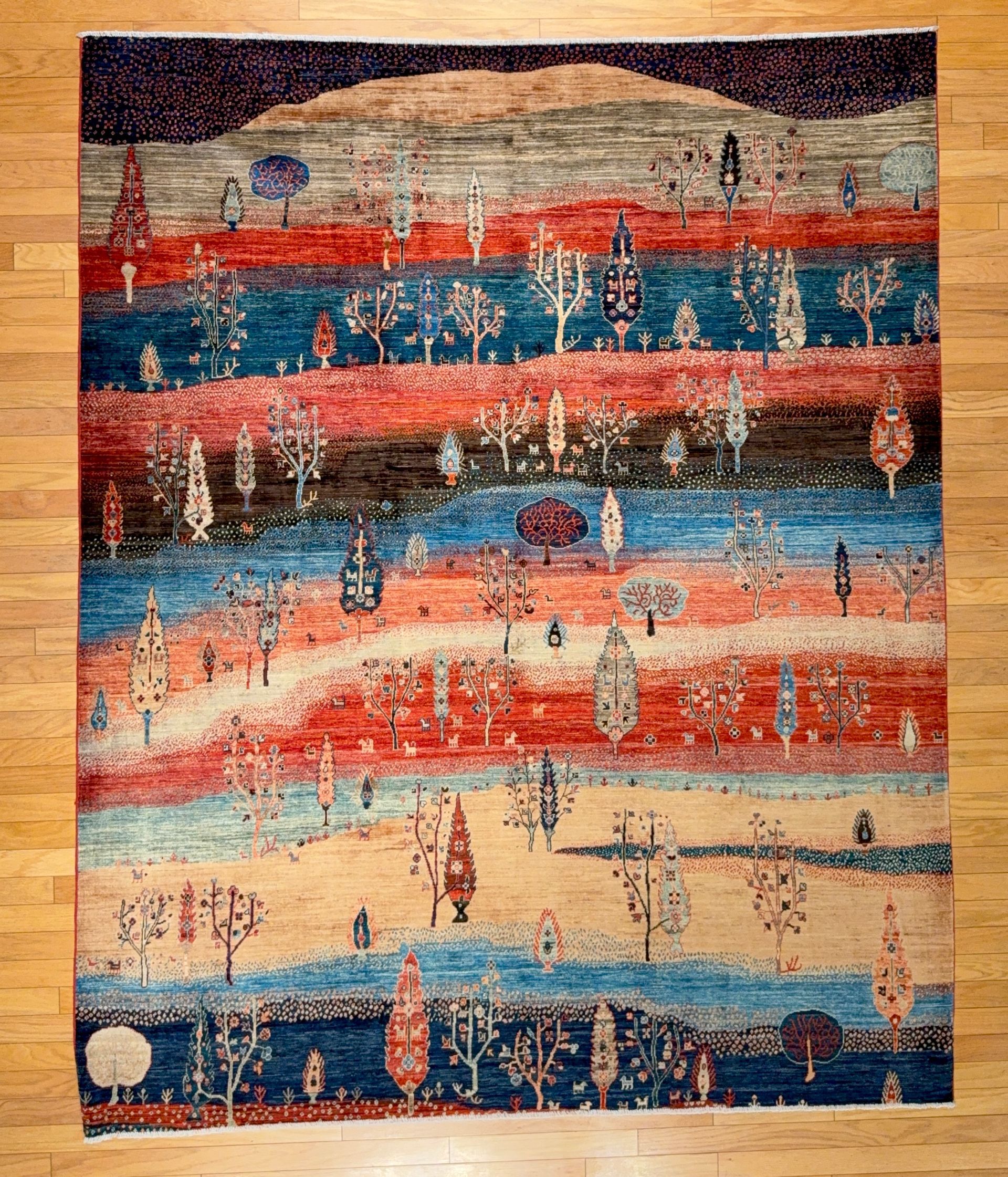
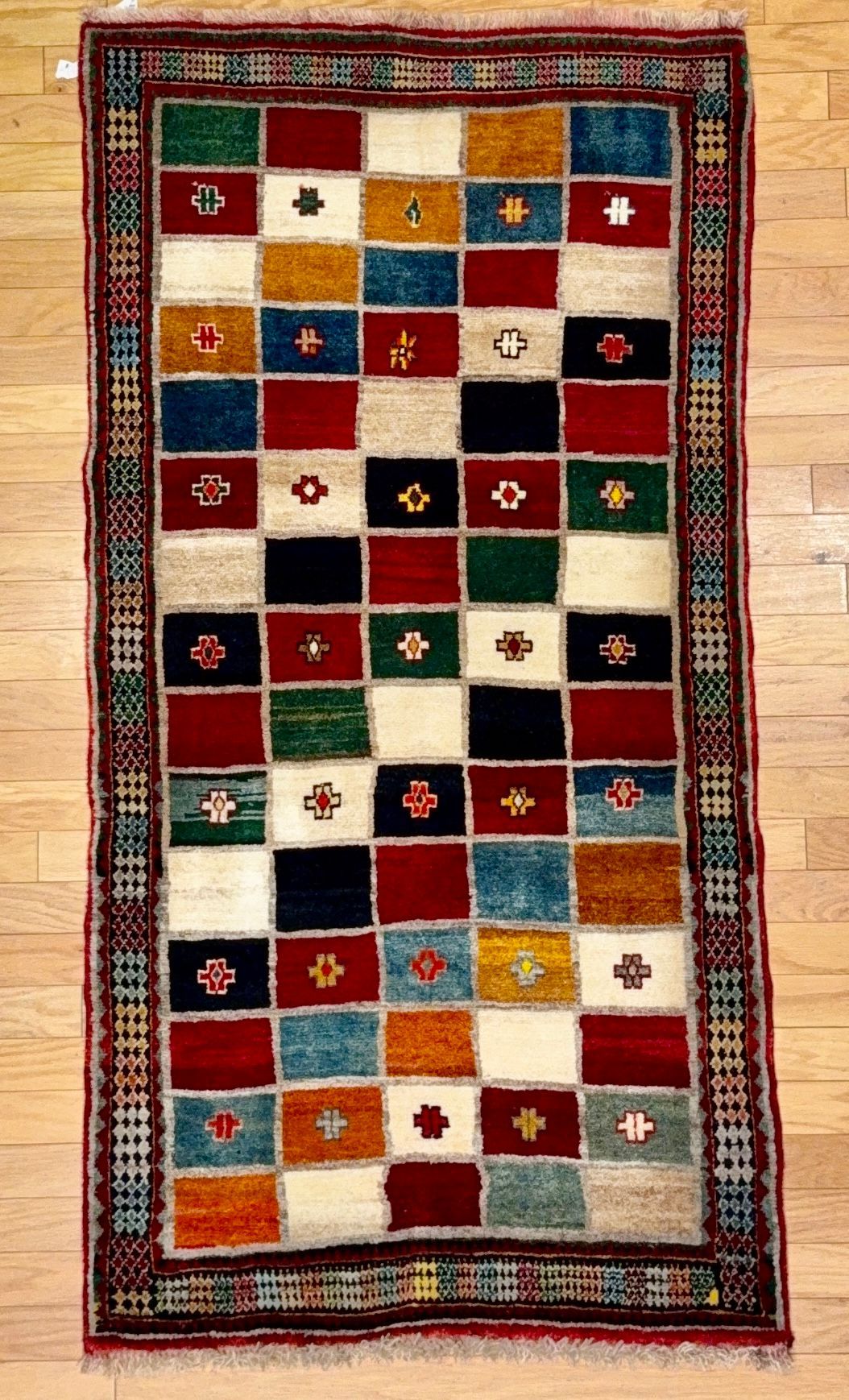
Tribal rugs are among the most expressive textiles in the fine rug world. Their bold geometry, vivid color, and symbolic motifs were developed by nomadic and village weavers who made rugs for their homes, tents, and daily life. At Shabahang and Sons Persian Carpets in Milwaukee, we offer a distinctive selection of tribal rugs that bring that heritage into modern and traditional interiors alike.
What Defines a Tribal Rug?
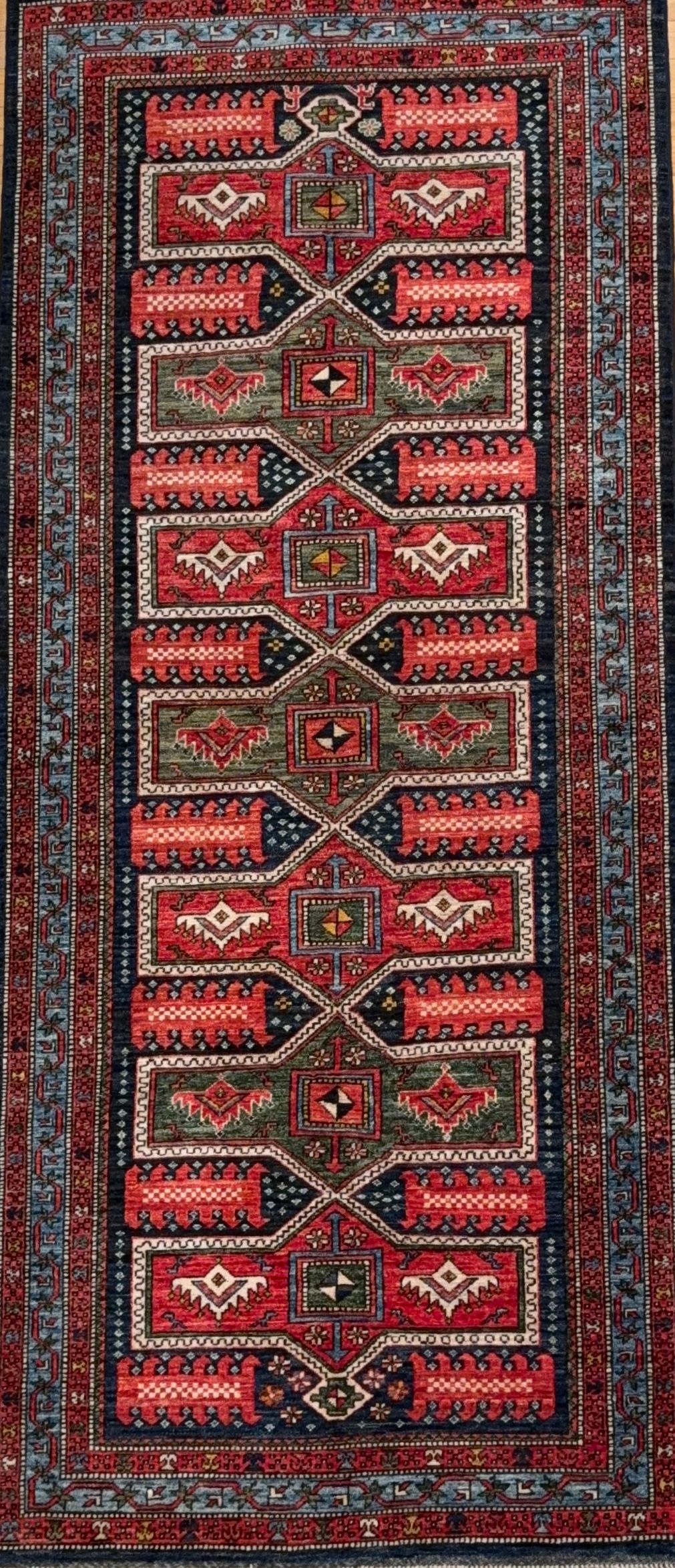
“Tribal” is a broad trade term for rugs made by nomadic, semi-nomadic, and village communities. These weavers worked across mountainous and rural regions of Iran, Afghanistan, Turkey, the Caucasus, and Central Asia. They typically worked without printed patterns. Designs were passed down through families and communities, and each generation added its own variations. The result is a body of work with a strong visual identity and remarkable diversity.
Tribal rugs were also practical. Many were woven as functional pieces for sleeping, sitting, and storage, which explains their sturdy wool foundations and durable construction.
Iconic Tribal Weaving Traditions
Caucasian rugs: Bold geometric designs, hooked motifs, and a strong sense of structure.
Turkoman rugs: Repeating octagonal guls and rich reds, closely associated with Central Asian nomadic life.
Baluch rugs: Compact geometric motifs in deep, earthy tones.
Qashqai rugs: Vibrant, graphic designs woven by nomadic groups in southwestern Iran.
Kilims:Flatwoven rugs that use interlocking techniques to form striking geometric designs without a pile.
Reading the Patterns and Symbols
Tribal rug motifs often carry meaning, even when their exact origins are hard to pin down. Common elements include:
Guls: Diamond or octagonal shapes that often identify a specific weaving group.
Medallions: Central fields that serve as a focal point for the composition.
Borders: Stepped, hooked, or zigzag bands that frame the design.
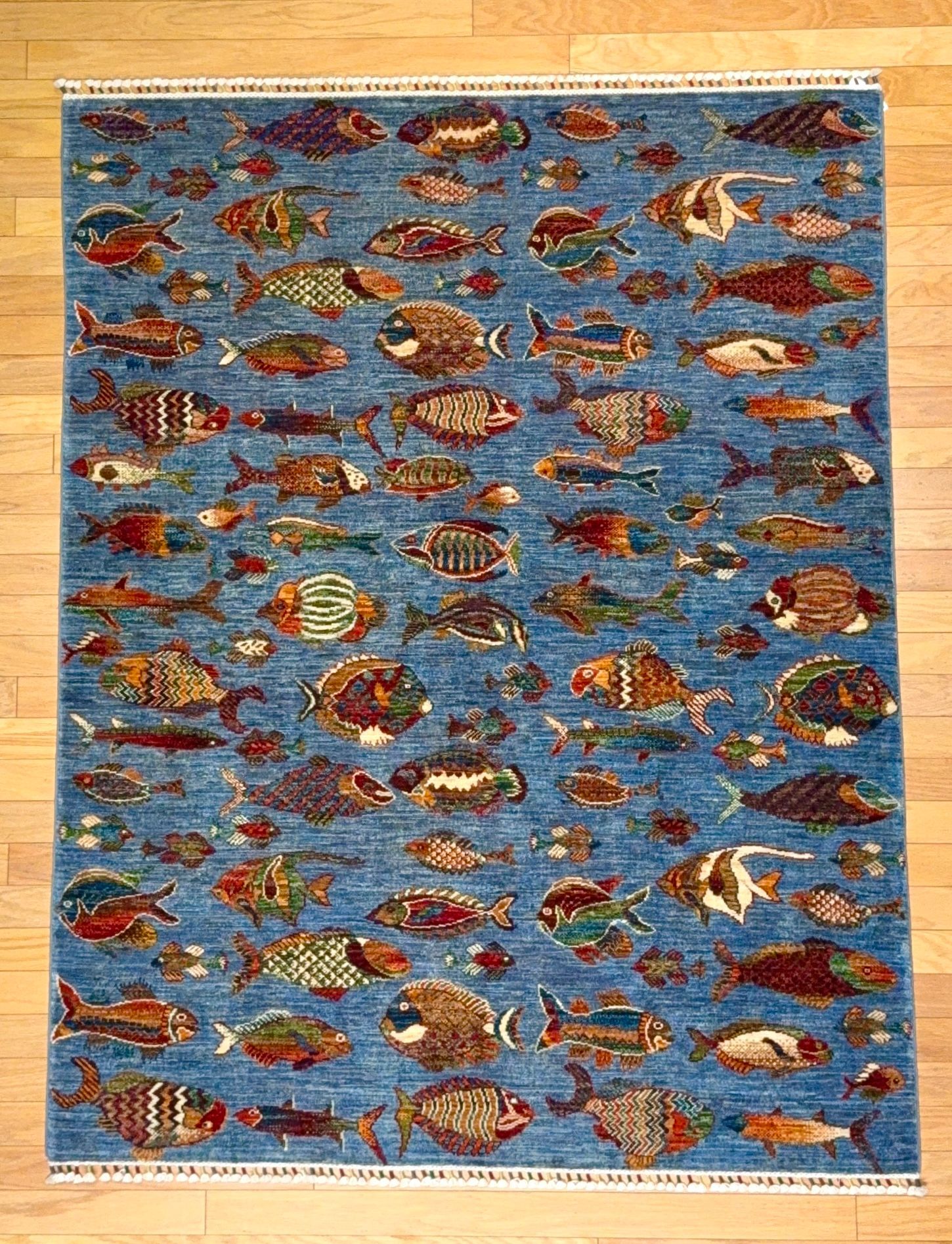
Animal and plant forms: Stylized figures that reflect the everyday world of the weaver.
Protective symbols: Motifs once believed to bring good fortune or ward off harm.
Traditional Techniques and Natural Materials
Tribal rugs are shaped by their materials and methods. Many use hand-spun wool, and some incorporate goat or camel hair for texture and durability. Traditional dyes were often derived from plants, roots, and insects. They yield reds, blues, and browns that soften gracefully over time. Knotted pile rugs and flatwoven kilims represent two of the most important approaches, and each offers a different feel underfoot.
Because so many tribal pieces were woven by hand without patterns on paper, small irregularities are expected. A slightly uneven border or a subtle shift in color is often a sign of authentic handwork rather than a flaw.
Choosing a Tribal Rug for Your Home
Tribal rugs bring energy and personality to spaces that might otherwise feel neutral. They pair well with leather furniture, reclaimed wood, mid-century pieces, and layered textiles. Consider these guidelines when shopping:
Choose a bold anchor: A strong rug can carry a room with simple furniture.
Balance the pattern: Pair a busy rug with solid upholstery and clean walls.
Match the scale: Larger geometric designs suit open spaces, while smaller pieces work well in hallways and entries.
Think about wear: Wool pile and flatweaves both handle daily use, but flatweaves need gentler care.
Caring for Tribal Rugs
Tribal rugs with natural dyes and wool foundations benefit from regular vacuuming, periodic rotation, and a quality rug pad. Flatwoven kilims should be vacuumed gently and lifted rather than dragged, which helps prevent snagging. Professional cleaning by experienced specialists helps preserve dye colors and fiber strength, especially for older or hand-spun pieces.
Visit Our Milwaukee Tribal Rug Showroom
Tribal rugs are best appreciated up close, where their texture, color depth, and construction are easy to judge. We welcome shoppers from Milwaukee, Waukesha, Oconomowoc, Elm Grove, Cedarburg, Whitefish Bay, and nearby communities.
- Address: 601 E. Ogden Ave., Milwaukee, WI 53202
- Monday through Saturday: 10:00 am to 6:00 pm
- Sunday: 12:00 pm to 5:00 pm
- Phone:
(414) 347-1300
Call
(414) 347-1300 to ask about current tribal designs or to schedule a free consultation before you visit.
Frequently Asked Questions
What is a tribal rug?
A tribal rug is a handmade rug created by nomadic, semi-nomadic, or village weavers. These rugs are known for bold geometric patterns, traditional motifs, and natural materials such as wool.
What is the difference between a tribal rug and a kilim?
Tribal is a broad term for rugs made by traditional weaving communities. A kilim is a specific type of tribal textile that is flatwoven, meaning it has no pile. Kilims are lighter and more flexible than knotted pile rugs.
Are tribal rugs authentic if they have irregular patterns or borders?
Often, yes. Hand-woven pieces were typically made without printed patterns, so slight variations in border alignment or color are common signs of authentic handwork.
Which tribal rug styles work best in a modern home?
Caucasian and Baluch geometric designs are popular in contemporary spaces because their clean shapes and strong color work well with simple furniture. Flatwoven kilims also suit modern interiors and layered decor.
Can you help me choose a tribal rug for my room?
Yes. Our team offers free consultations to help you compare patterns, colors, and sizes. Call (414) 347-1300 to set up a visit.