Fine Modern Handmade Rugs: How to Choose One That Lasts (Milwaukee Buyer's Guide)

Behzad Shabahang | Shabahang and Sons Persian Carpets, Milwaukee, WI • October 1, 2026

Short answer: A fine modern handmade rug pairs contemporary design with true hand craftsmanship, meaning it is knotted, woven, or tufted by people rather than produced on a power loom. The best ones use quality wool or silk, stable dyes, and solid construction, so they look current today and hold up for decades.


"Modern" describes the design, not the quality. A modern rug can be a work of art built to last generations, or a mass-produced piece that sheds and flattens within a few years. This guide explains how to tell the difference and how to pick the right rug for your home.

  • What Is a "Fine Modern Handmade Rug"?

    Short answer: It is a rug with a contemporary or transitional design that is made by hand using quality materials and durable construction.

• Modern/contemporary design: abstract patterns, geometric layouts, minimalist compositions, bold color fields, or simplified takes on traditional motifs.

• Handmade: shaped by artisans using hand-knotting, hand-weaving, or hand-tufting techniques.

• Fine: judged by materials, knot density or construction, dye quality, finishing, and how well it will wear.

  • What Are the Main Types of Handmade Rugs?

    Short answer: The three most common are hand-knotted, hand-tufted, and handwoven flatweave. They differ in cost, durability, and lifespan.

Type How it's made Typical strengths Consider
Hand-knotted Each knot is tied individually onto a foundation of warp and weft threads Longest lifespan, detailed designs, repairable, often holds or gains value Higher price, longer production time
Hand-tufted A tool punches yarn through a backing, which is then secured with latex or adhesive Lower cost, quick to make, good for bold simple designs Shorter lifespan, can shed, less repairable, generally not an heirloom piece
Handwoven flatweave Woven flat with no pile, similar to a kilim Lightweight, reversible in some cases, suits casual spaces Less cushioning, can show wear at edges

For long-term value, hand-knotted is generally the gold standard. To see why it outlasts machine-made alternatives, read our guide to handmade vs. machine-made oriental rugs, and learn more about the time and skill behind every hand-knotted rug.

  • What Makes a Modern Handmade Rug "Fine" Quality?

    Short answer: Look at materials, construction, dyes, and finishing. Design gets you in the door, but these four determine how the rug ages.

  1. Materials. Quality wool is resilient, naturally soil-resistant, and soft underfoot. Silk adds sheen and is often blended in for highlights. Learn why wool matters in our post on Persian wool and quality.
  2. Construction. Flip the rug over. On a hand-knotted piece, the pattern appears clearly on the back and you can see the individual knots. Higher knot density generally allows finer detail and a denser, more durable pile.
  3. Dyes. Stable, high-quality dyes resist fading and bleeding. Natural dyes age gracefully, as we explain in Natural Dyes and the Art of Color.
  4. Finishing. Clean, secure edges and ends, even pile height, and square corners are signs of careful work.
  • How Do I Choose the Right Modern Rug for My Room?

    Short answer: Start with size and function, then choose color and pattern. The most common mistake is buying a rug that is too small.

Size guidelines (general design rules of thumb)


  • Living room: Ideally the front legs of all seating sit on the rug, or the rug is large enough to anchor the whole grouping.
  • Dining room: Choose a rug that extends well past the table so chairs remain on the rug when pulled out. Many designers suggest about 24 inches or more on each side.
  • Bedroom: A rug that extends beyond both sides and the foot of the bed looks balanced and feels good underfoot. Many queen-bed rooms use an 8' x 10' rug.
  • Hallway/entry: Choose a runner with enough width to be functional and leave floor visible on both sides.


Color and pattern


  • Busy households: Low-contrast, tonal, or patterned designs hide everyday wear better than solid light colors.
  • Minimalist spaces: Abstract or subtly textured designs add interest without competing with furnishings.
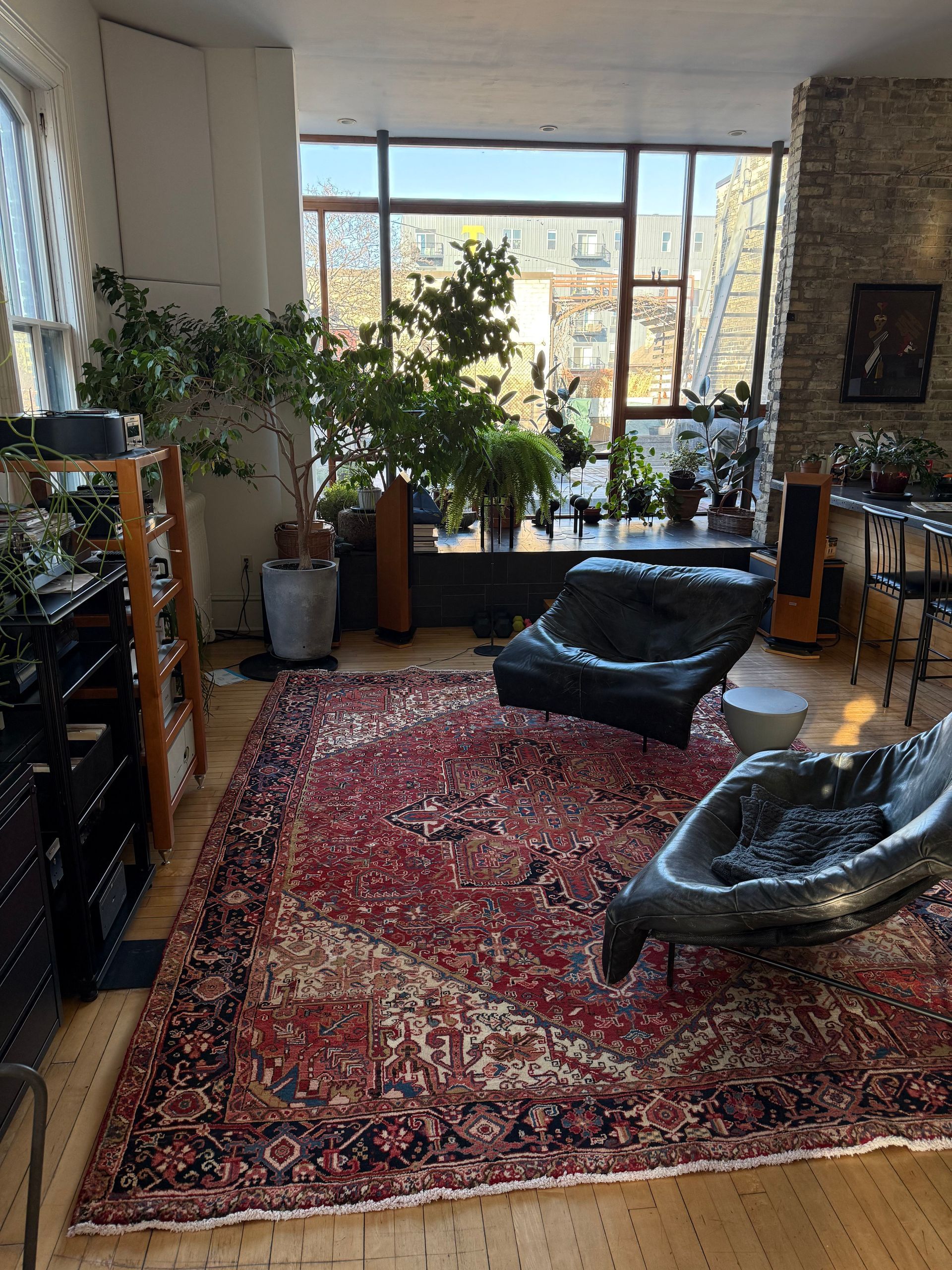
  • Traditional or transitional homes: A modern rug can modernize a room while still feeling warm. Persian-inspired designs with simplified or reimagined motifs bridge both styles.
  • Existing art and furniture: Pull one or two accent colors from the room rather than matching everything exactly.


Want to see how rugs look in real homes? Browse the room views on our testimonials page and our inventory collection.

  • Are Modern Handmade Rugs Worth the Investment?

    Short answer: For many buyers, yes. A well-made handmade rug typically outlasts machine-made alternatives, can be cleaned and repaired, and may retain more of its value.

Low-priced machine-made rugs often need replacing every few years. A quality handmade rug is built to be maintained. If it is damaged, a specialist can often restore it through professional rug repair. Value depends on quality, condition, and demand, and it is never guaranteed. If you later want to know what your rug is worth, we offer certified rug appraisals and can discuss how to sell your rug.

  • How Do I Care for a Fine Modern Handmade Rug?

    Short answer: Vacuum regularly without a beater bar, use a quality rug pad, rotate the rug, blot spills immediately, and schedule professional cleaning periodically.

  • Vacuum at least weekly in high-traffic areas, using suction only or a setting that avoids a spinning beater bar.
  • Use a rug pad. It prevents slipping, cushions the rug, and reduces wear. See our rug padding options.
  • Rotate the rug periodically so sunlight and foot traffic wear evenly.
  • Blot spills right away. Don't rub, and avoid harsh household cleaners.
  • Protect from direct sun with shades or occasional repositioning to limit fading.
  • Clean professionally every few years depending on traffic. Our rug cleaning service is designed for delicate fibers and dyes. More tips are in The Ultimate Guide to Caring for Your Persian Carpet.
  • Where Can I Buy Fine Modern Handmade Rugs in Milwaukee?

    Short answer: Shabahang and Sons Persian Carpets, at 601 E. Ogden Ave., Milwaukee, WI 53202, helps buyers choose handmade rugs in person, where you can see and feel the quality.

Seeing a rug in your own lighting makes a real difference, and our team can help you compare construction, materials, and sizes. We serve Milwaukee, Waukesha, Oconomowoc, Elm Grove, and Cedarburg. First time in a rug showroom? Read what to expect on your first visit.


Call (414) 347-1300 or stop by. Hours: Mon–Sat 10 am–6 pm, Sunday 12–5 pm.

Frequently Asked Questions

  • What is the difference between a modern rug and a traditional rug?

    Mainly the design. Modern rugs feature contemporary, abstract, or minimalist patterns, while traditional rugs use classic motifs such as medallions and floral designs. Both can be handmade to a high standard.

  • Are hand-knotted rugs better than hand-tufted rugs?

    Hand-knotted rugs are generally more durable and longer-lasting, and they are more repairable. Hand-tufted rugs cost less and suit some budgets and uses, but typically have a shorter lifespan.

  • How long do handmade rugs last?

    With proper care, a quality hand-knotted rug can last for generations. Lifespan depends on construction, materials, traffic, and maintenance.

  • Are handmade rugs good for homes with kids and pets?

    Wool rugs are naturally resilient, and many handmade rugs handle everyday life well. Choose forgiving colors and patterns, use a pad, and address spills quickly.

  • Can I order a custom modern rug?

    Custom rugs are available through Shabahang and Sons. Call (414) 347-1300 to discuss sizes, colors, and designs.

  • How do I know if a rug is truly handmade?

    Turn it over. A hand-knotted rug shows the design clearly on the back with visible individual knots. Sewn-on fringe, a glued backing, and a perfectly uniform look can signal machine or tufted construction.
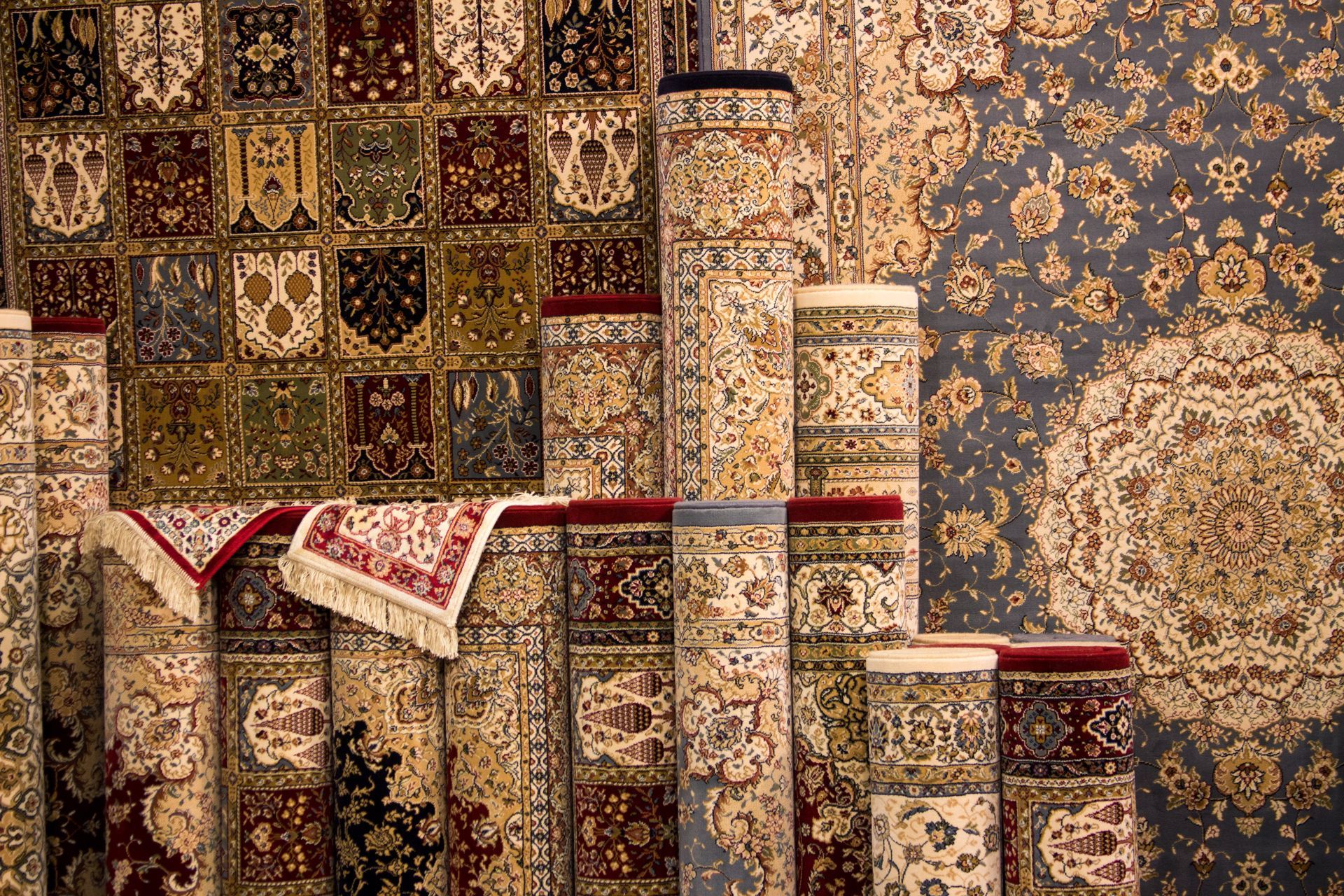
Oriental rug showroom showcasing rolled carpets with detailed motifs and rich textures.
By Behzad Shabahang • September 21, 2026
Shopping for an antique oriental rug in Elm Grove, WI? Shabahang and Sons Persian Carpets offers certified appraisals and expert guidance. Call today.
Rolled handmade oriental rugs stacked together, showcasing intricate patterns and fine weaving.
By Bezhad Shabahang • September 21, 2026
Learn how to identify handmade oriental rugs in Elm Grove, WI. Shabahang and Sons Persian Carpets helps buyers spot quality and value. Call!
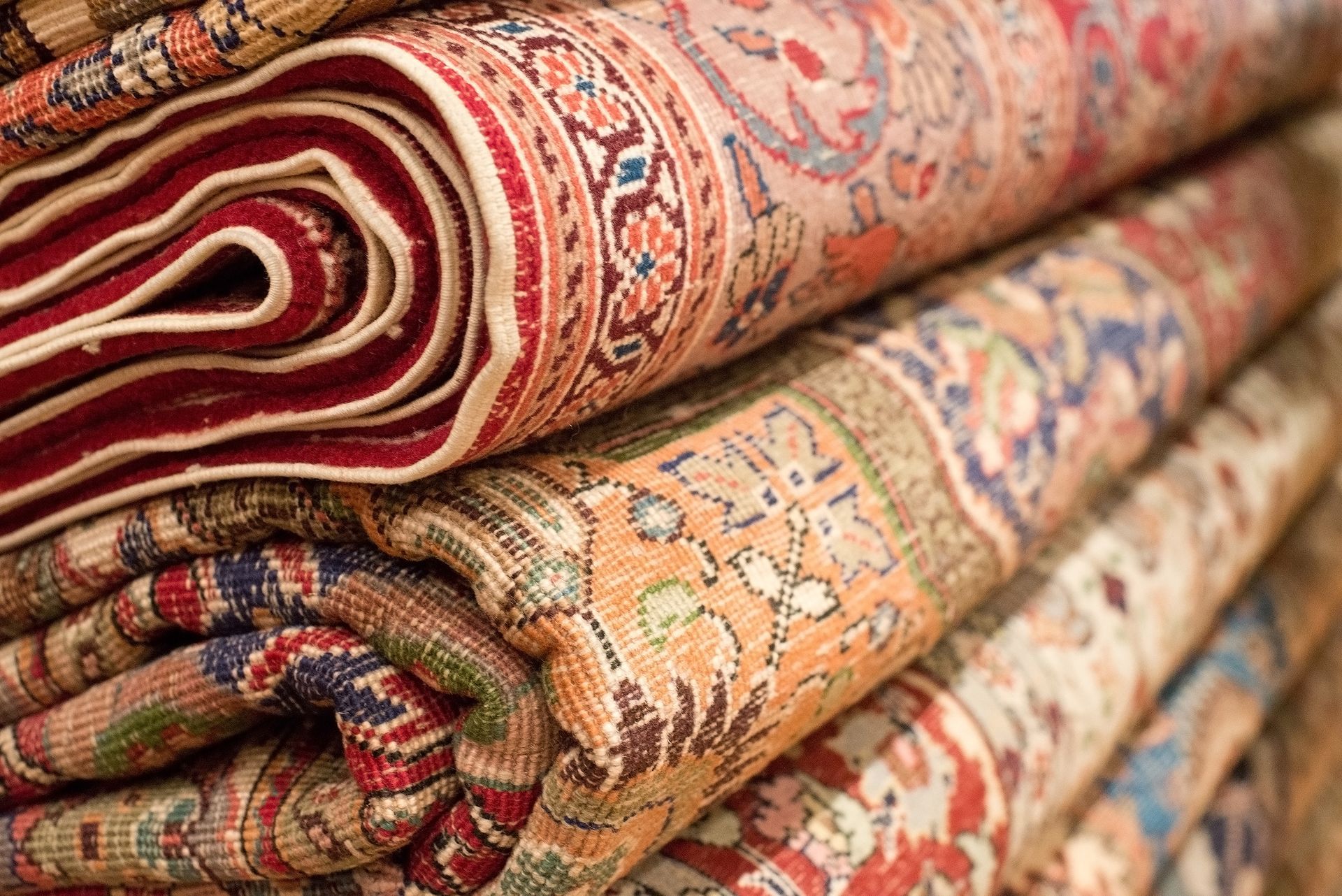
Traditional oriental rugs folded and stacked in a store showcasing intricate craftsmanship.
By Behzad Shabahang • September 21, 2026
Plan your first visit to an oriental rug showroom in Elm Grove, WI. Shabahang and Sons Persian Carpets offers expert guidance, cleaning and repair. Call!
September 2, 2026
A Persian carpet is more than a decorative accent—it is a living piece of history. Every hand-knotted rug tells a story woven into its fibers, reflecting centuries of artistry, culture, and tradition. For collectors and enthusiasts, understanding a carpet’s provenance and age is crucial, as these factors directly influence its value, authenticity, and significance. Understanding Provenance Provenance refers to the documented origin and history of a rug. Persian carpets are intricately tied to their regions of creation, with cities like Tabriz, Kashan, Isfahan, and Heriz each offering distinctive weaving styles, patterns, and color palettes. Knowing a rug’s provenance does more than verify authenticity—it provides insight into: The artisan techniques and weaving methods used Cultural and symbolic meanings embedded in the design The historical context that shaped its creation Rugs with verified provenance are highly prized among collectors, museums, and enthusiasts, serving as both a decorative treasure and a historical artifact. Why Age Matters The age of a Persian rug is more than a number—it’s a reflection of enduring craftsmanship. Over decades or centuries, a rug naturally develops a patina, adding depth, warmth, and character that modern reproductions cannot replicate. Older carpets often showcase: The resilience of hand-spun wool and hand-knotted construction The subtle evolution of colors achieved through natural dyes Unique variations and patterns shaped by time For collectors, an aged rug represents not only beauty but a tangible connection to Persian history and artistry. Investment and Legacy Rugs with verified provenance and significant age are considered both cultural treasures and investment pieces. Their rarity, historical value, and quality craftsmanship make them highly sought after. Beyond financial value, these carpets carry a legacy —heirlooms meant to be passed down through generations, allowing owners to preserve a tangible link to centuries of Persian culture. Caring for Historical Carpets To maintain the beauty and value of antique Persian rugs, proper care is essential: Gentle cleaning and regular maintenance to protect fibers and colors Professional conservation for older or delicate pieces Proper placement and use of rug pads to prevent wear By protecting these rugs, collectors ensure that their historical and aesthetic value endures.  Provenance and age are at the heart of a Persian carpet’s identity. They connect owners to centuries of culture, craftsmanship, and artistry. Owning a rug with verified origin and documented age is more than a design choice—it is an investment in history, heritage, and timeless beauty. With every hand-knotted Persian carpet, Shabahang & Sons offers not only luxury and elegance but a living story woven into every fiber.
September 2, 2026
Buying a Persian rug is both an art and an investment. Understanding authenticity, provenance, and value ensures that collectors and homeowners make informed choices. Authenticity and Provenance True Persian rugs are hand-knotted in Iran and reflect regional styles, knot density, and materials. Certificates of authenticity confirm origin, materials, and sometimes age. Knowing the rug’s provenance enhances both its aesthetic and investment value. Age, Repairs, and Condition The age of a rug affects its value: older rugs with well-preserved fibers can be highly sought after. Any repairs or restorations should be disclosed, as these can impact price. Examining the rug’s condition ensures you are investing wisely in a luxury Persian carpet. Price Factors Rug prices are determined by materials, knot density, region of origin, design complexity, and rarity. A hand-knotted rug is often more expensive than machine-made alternatives but provides unparalleled quality, longevity, and beauty.  Buying a Persian rug is an experience that blends artistry, history, and investment potential. At Shabahang and Sons, we guide buyers through every step, helping collectors and enthusiasts acquire rugs that are authentic, valuable, and timeless.
September 2, 2026
A Persian rug is a long-term investment that, with proper care, can last for generations. At Shabahang and Sons, we emphasize maintenance practices that protect the beauty, color, and integrity of every rug. Cleaning and Maintenance Regular vacuuming (without a beater bar) keeps dirt from settling in the fibers. Immediate attention to spills and stains prevents permanent damage. For deep cleaning, professional services ensure your hand-knotted rug is treated gently and thoroughly. Odor and Protection Musty odors can develop over time, especially in wool rugs. Light sun exposure, airing, and proper cleaning remove odors naturally. Rug pads prevent slipping, absorb impact, and protect the rug from wear. Fiber protectors and sealants can be used safely to extend the rug’s lifespan without compromising luxury or authenticity. Professional Care Professional rug cleaning every 3–5 years, depending on traffic, is recommended. Experts handle delicate fibers, natural dyes, and intricate patterns, preserving the rug’s appearance and value.  Caring for a Persian rug requires knowledge and attention, but the reward is unmatched. With proper cleaning, protection, and maintenance, a Shabahang and Sons carpet remains a luxurious, vibrant centerpiece for decades.
September 2, 2026
The value of a Persian rug comes from more than its materials—it comes from the hands that weave it. At Shabahang and Sons, every carpet is created by master artisans in Iran, where rug-making is a revered art form. Hand-Knotting: The Art of Precision Each knot in a hand-knotted rug is tied individually. Some carpets feature hundreds of thousands—or even millions—of knots, contributing to durability and intricate designs. The knots per square inch (KPSI) is a key measure of quality: the higher the KPSI, the finer the detail and the longer-lasting the rug. The Direction of the Pile Artisans also pay close attention to pile direction, creating a “dark side” and “light side” that adds subtle texture and depth. This nuanced craftsmanship enhances the rug’s appearance from different angles and under varying light conditions. Craftsmanship as a Legacy Every knot reflects years of expertise and cultural knowledge passed down through generations. By investing in a hand-knotted Persian carpet , you are acquiring a piece of heritage that transcends trends and embodies timeless artistry. From KPSI to pile direction, every element of a hand-knotted Persian rug is a testament to skill and dedication. Shabahang and Sons celebrates this craftsmanship, offering rugs that are not only luxurious but culturally significant treasures.
September 2, 2026
The beauty of a Persian rug lies not only in its craftsmanship but also in its colors. At Shabahang and Sons, each rug is dyed using organic, time-honored techniques, resulting in hues that are rich, authentic, and timeless. Organic Dyeing Techniques Our artisans use natural dyes extracted from plants, roots, and minerals. Unlike synthetic dyes, natural dyes produce colors that age gracefully, deepening over time and developing a luminous patina. This process ensures that every hand-dyed rug maintains its luxury appeal for decades. Understanding Abrash Hand-spun yarn absorbs dye unevenly, creating subtle tonal shifts known as abrash. This natural variation is not a defect but a defining feature of authentic Persian rugs. Abrash adds depth and movement to the rug, making each piece truly one-of-a-kind. Protecting Your Rug’s Colors While natural dyes are long-lasting, proper care is essential. Avoid excessive sunlight, high heat, and harsh chemicals. Regular maintenance preserves the vibrancy of the colors while highlighting the unique beauty of abrash.  Choosing a hand-dyed Persian rug from Shabahang and Sons means embracing the artistry of color. Every hue tells a story, every variation celebrates authenticity, and every rug becomes a living testament to tradition and craftsmanship.
September 2, 2026
A Persian rug is more than just décor—it’s a legacy of artistry, craftsmanship, and culture. At Shabahang and Sons, the foundation of every rug begins with premium materials that define its beauty and durability. Understanding these materials is essential for collectors and homeowners seeking a luxury Persian rug that will endure for generations. Hand-Spun Wool: The Heart of Every Rug Our carpets are crafted using hand-spun wool from a rare Persian sheep breed. This wool is prized for its high lanolin content, giving it a natural sheen and unmatched softness. Unlike mass-produced fibers, hand-spun yarn absorbs dye irregularly, resulting in subtle variations in color called abrash—a hallmark of authenticity. Organic and Sustainable Fibers For those seeking organic wool rugs, Shabahang and Sons ensures that all wool is sourced responsibly. This sustainable approach creates rugs that are safe for children and pets, hypoallergenic, and free from harmful chemicals. Hand-Knotted vs Machine-Made One of the most important distinctions when buying a Persian carpet is whether it’s hand-knotted or machine-made. Hand-knotted rugs feature hundreds of thousands of meticulously tied knots, creating patterns that are durable and entirely unique. Machine-made rugs, by contrast, lack the depth, texture, and longevity of a true Persian carpet. Why Quality Matters From the texture of the yarn to the integrity of the knot, every detail matters. The choice of materials directly affects the rug’s feel, appearance, and lifespan. A hand-spun, high-lanolin wool rug from Iran is not just a floor covering—it’s a functional work of art that grows more beautiful over time. Investing in a luxury Persian rug begins with understanding its materials. By selecting hand-spun, organic wool from Shabahang and Sons, you are choosing a rug that embodies elegance, heritage, and enduring quality.
September 2, 2026
A Shabahang and Sons Persian carpet is more than a furnishing—it is a work of art, a legacy of craftsmanship, and a story that unfolds beneath your feet. Every piece we create is a handwoven Persian rug that carries centuries of tradition, designed to be cherished for generations. Wool of Distinction The foundation of every Shabahang and Sons carpet is its wool, sourced from a rare Persian sheep breed known for its exceptionally high lanolin content. This lanolin not only enhances softness but gives the fibers a natural sheen that elevates the beauty of the finished rug. Unlike mass-produced alternatives, this wool is hand-spun, producing a textured yarn that lends character and authenticity. For buyers seeking organic wool rugs , this material represents the pinnacle of quality: sustainable, durable, and naturally luxurious. Time-Honored Dyeing Techniques Color is the soul of a Persian carpet. Our artisans use organic dyes derived from plants, roots, and minerals—time-honored methods that have been perfected over centuries. These natural dyes produce rich, enduring colors that mature gracefully, unlike synthetic options. The result is a luxury Persian rug that deepens in beauty as the years pass. The Art of Abrash One of the most defining characteristics of handmade Persian carpets is abrash—the subtle, natural variations in color caused by hand-spun yarn absorbing dye unevenly. Far from imperfections, abrash adds depth, warmth, and movement to the design. Each carpet becomes a one-of-a-kind creation, impossible to duplicate by machine. Woven by Master Artisans in Iran Every Shabahang and Sons carpet is woven entirely by hand in Iran, the birthplace of the Persian rug tradition. Skilled artisans, many of whom are continuing a family legacy, tie each knot individually. Some of our hand-knotted Persian carpets contain hundreds of thousands of knots, ensuring durability that allows them to last for centuries. This commitment to authentic craftsmanship ensures that every carpet is not just a rug—it is a work of art from Iran , rooted in cultural heritage. A Legacy Underfoot When you bring home a Shabahang and Sons Persian carpet, you are investing in more than décor. You are welcoming into your home a living treasure—a fusion of natural materials, organic dyeing traditions, and artisan skill. Whether admired as a collector’s Persian rug , cherished as a luxury wool carpet , or celebrated for its timeless design, each piece embodies the spirit of tradition and the elegance of hand-crafted artistry. A Shabahang and Sons Persian carpet is not just woven for today—it is woven for lifetimes.