Antique Oriental Rugs: How to Tell If You're Looking at a Genuine Heirloom (Buyer's Guide) Serving Elm Grove, WI
Buying an antique oriental rug in Elm Grove, WI, means making a significant investment, and knowing how to distinguish a true heirloom from a reproduction can save buyers from costly mistakes. This guide covers the key criteria collectors and homeowners in the greater Milwaukee area should understand before committing to a purchase.
What Makes a Rug Officially "Antique"?
Age classification is the first thing every buyer should know. In the rug trade, the word "antique" has a specific meaning. A rug must generally be at least 100 years old to earn that designation. A piece that is 50 to 99 years old is typically called "semi-antique" or "vintage," and anything under 50 years is simply considered used or pre-owned. These categories are not interchangeable, and sellers who blur the lines are worth approaching with caution.
Understanding where your rug falls on this spectrum matters for insurance, resale value, and long-term appreciation. Buyers searching for an antique oriental rug in Elm Grove, WI, and the surrounding Waukesha County communities often encounter estate pieces that have been in Wisconsin families for decades. A rug purchased in the mid-20th century by a Milwaukee family may be approaching semi-antique status but may not yet qualify as a true antique. Knowing the difference helps set realistic expectations.
How Do You Verify That a Rug Is Genuinely Old?
Several physical characteristics can point toward authentic age in an oriental or Persian rug.
Knot Density and Construction
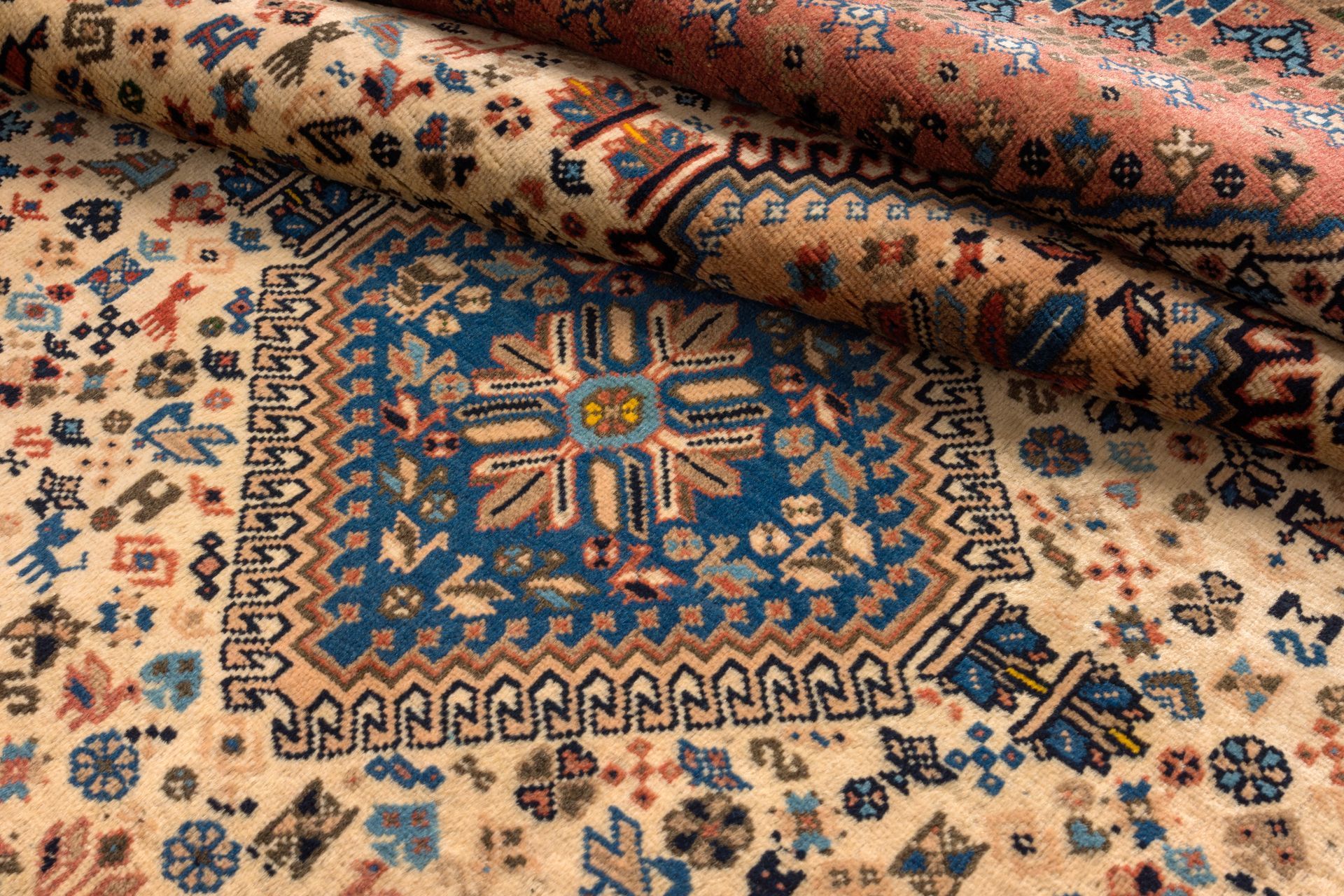
Hand-knotted rugs typically have irregular knot patterns visible on the back of the rug. The higher the knot count per square inch, the finer the weave. Machine-made rugs, by contrast, have perfectly uniform rows. Flipping the rug over and examining the back is one of the fastest checks a buyer can perform.
Natural Dye Indicators
Older rugs, particularly those made before the widespread adoption of synthetic dyes in the late 1800s, often used plant-based and mineral dyes. These natural dyes tend to show slight color variation across the pile, sometimes called "abrash." This gentle shift in tone from one part of the rug to another is generally a positive sign of age and handcraft. Synthetic dyes tend to appear more uniform and sometimes unnaturally bright.
Patina and Wear Patterns
Genuine antique rugs typically show wear that is consistent with decades of use. The pile may be lower in high-traffic areas, the fringe may show natural aging, and the colors may have softened over time. Artificial distressing, sometimes applied to newer rugs to simulate age, often looks uneven or inconsistent under close inspection.
Foundation Fibers
Many antique oriental rugs were woven on cotton or wool foundations. Examining the warp and weft threads at the fringe can provide clues. Synthetic foundation materials became more common in more recent production, so their presence may suggest a newer piece.
What Is Abrash and Why Does It Matter?
Abrash refers to the subtle tonal variation found in hand-dyed rugs, caused by slight differences in dye lots or wool batches. It is commonly seen in tribal and village rugs and is often a reliable indicator that natural dyes and hand-spinning were used. A rug with visible abrash is generally not a factory reproduction.
Can a Rug Label or Tag Confirm Its Age?
Labels and tags can provide a starting point, but they should not be treated as definitive proof of age or origin. Merchants have attached misleading labels to rugs throughout history. A tag may indicate country of origin, but it rarely confirms the actual age or the quality of materials. Physical inspection and certified appraisal carry far more weight than any label alone.
Antique vs. Vintage vs. Semi-Antique: Why the Labels Matter
Buyers browsing for an antique oriental rug in Elm Grove, WI, will encounter all three terms regularly. The distinctions affect both value and what you can reasonably expect from the piece.
Antique: 100 or more years old, typically hand-knotted, often with natural dyes and significant collector interest.
Semi-antique: Roughly 50 to 99 years old, may carry historical value but does not yet meet the antique threshold.
Vintage: A loosely used term, often applied to rugs 30 to 80 years old, though usage varies by seller.
None of these categories automatically guarantee quality. A beautiful, well-preserved semi-antique may outperform a damaged antique in practical terms. Age is one factor, not the only one.
When Should You Seek a Certified Appraisal?
A certified appraisal is worth pursuing in several situations. If you are considering a significant purchase, settling an estate, filing an insurance claim, or planning to resell a piece, an objective professional assessment can protect your interests. Appraisers document a rug's identity, condition, size, country of origin, and estimated age, providing a detailed record that stands up for legal, insurance, and personal purposes. Anyone who acquires an antique oriental rug in Elm Grove, WI, whether through inheritance, an estate sale, or a private transaction, frequently benefits from this step before making decisions about cleaning, repair, or resale.
Ready to Find or Authenticate Your Next Heirloom Piece?
When evaluating an antique oriental rug in Elm Grove, WI, having a knowledgeable local resource makes a meaningful difference. Shabahang and Sons Persian Carpets brings over seven generations of family expertise in Persian and oriental rugs, with a showroom inventory that spans antique, semi-antique, vintage, and contemporary styles. The team offers certified in-house appraisals, working with insurance companies and estate representatives to provide documentation you can rely on. Whether you are evaluating a potential purchase, authenticating a family heirloom, or exploring what the collection has to offer, the expertise is close to home.
Contact Shabahang and Sons Persian Carpets to request a certified appraisal or ask about current antique inventory, or call (414) 347-1300 to speak with an expert directly. You can also find and review the business at Shabahang and Sons Persian Carpets on Google.