Handmade Oriental Rugs vs. Machine-Made: What Elm Grove & Cedarburg Buyers Need to Know
Shoppers in the Elm Grove, WI, area can quickly spot the difference between handmade and machine-made oriental rugs once they know what to look for. That knowledge can mean the difference between buying a lasting heirloom and a rug that wears out in a few years. Whether you are searching for handmade oriental rugs in Elm Grove, WI, or browsing showrooms closer to Cedarburg, this guide covers every key distinction so you can shop with confidence.
How to Tell if an Oriental Rug Is Hand-Knotted
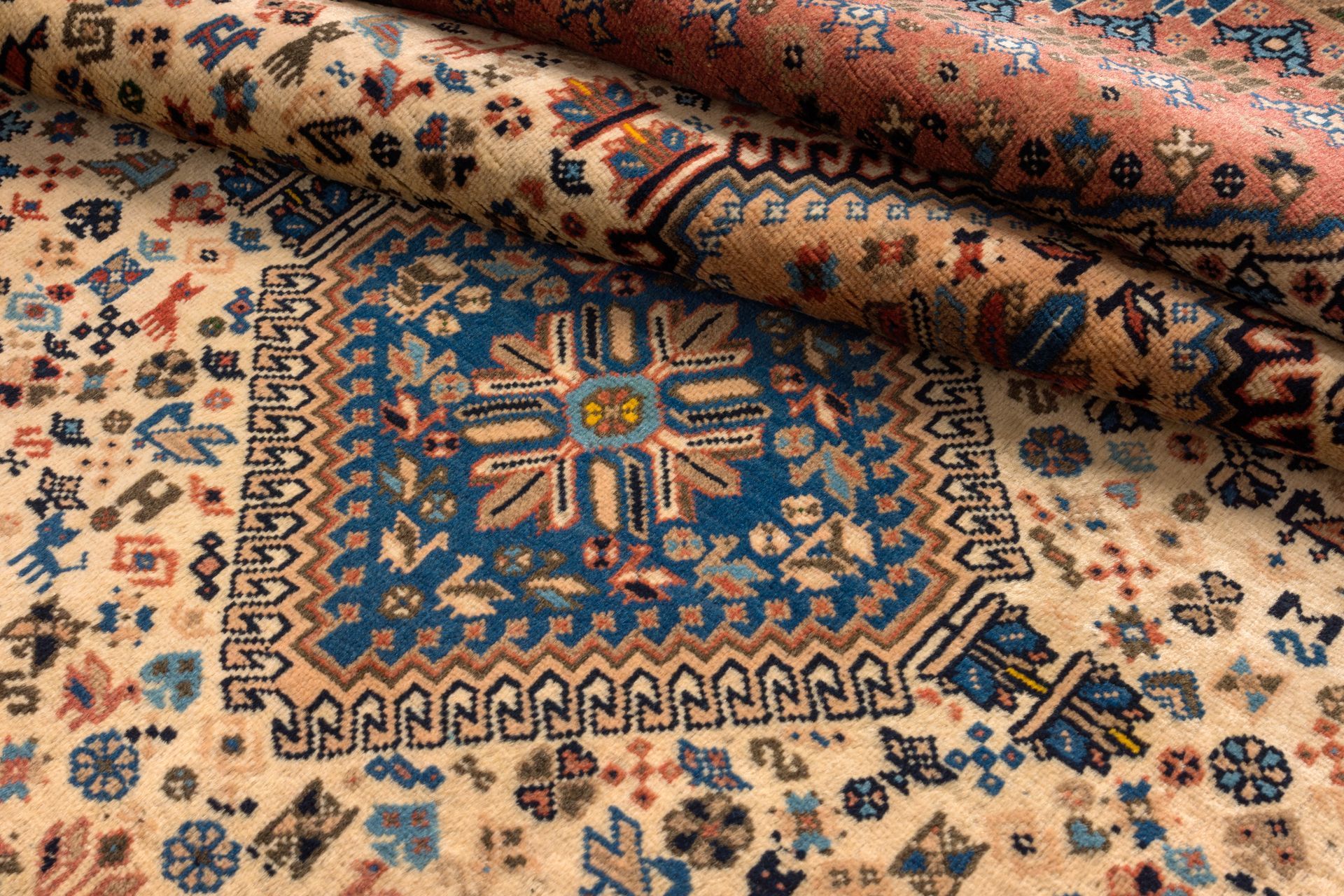
Turn any oriental rug over and examine the underside. On a genuine hand-knotted piece, you will see irregular knots tied one by one around the warp threads. No two rows look perfectly identical because human hands tied each knot. Machine-made rugs show a uniform, almost printed-looking backing with yarn anchored by latex or adhesive rather than actual knots.
A few additional checks:
- Run your fingers across the pile side to side. A handmade rug feels different going with the pile versus against it.
- Look at the fringe. On a hand-knotted rug, fringe is an extension of the warp threads. On machine-made rugs, fringe is sewn or glued on as decoration.
- Compare the front and back pattern. A hand-knotted rug shows the same design on the reverse, just slightly softer. A machine-made rug often has an obscured or completely different back pattern.
These checks take under two minutes in any showroom and can save you from a costly mistake.
Why Handmade Rugs Hold Value Longer
Authentic hand-knotted rugs typically use high-grade wool, silk, or a blend of both. Natural fibers resist crushing under foot traffic far better than the synthetic yarns used in most machine-made alternatives. A fine hand-knotted Persian carpet may contain hundreds of thousands of individual knots, creating a structure that can endure for generations. Many antique hand-knotted rugs woven a century ago are still in daily use. A machine-made rug, regardless of how attractive it looks at purchase, will typically show significant wear within a decade of normal household use.
For homeowners in Waukesha County communities like Elm Grove, where well-appointed interiors and resale values matter, investing in a hand-knotted piece makes practical as well as aesthetic sense. Cedarburg buyers, many of whom favor historic homes with traditional character, share the same appreciation for authentic craftsmanship.
Fiber and Dye Differences You Can Feel
Handmade oriental rugs commonly use hand-spun wool, which gives the pile a slight irregularity that adds warmth and visual depth. Natural dyes used in traditional hand-knotted rugs produce colors that improve with age, developing a subtle variation in shade across the field called an "abrash." Many collectors specifically seek out this quality.
Synthetic dyes used in machine-made rugs can bleed, fade unevenly, or shift color under sunlight. Given Wisconsin's bright summer light and the south- and west-facing windows common in Elm Grove and Cedarburg homes, color stability is worth considering before you buy.
What About Silk Rugs?
Silk hand-knotted rugs catch and reflect light in a way that shifts visible color depending on the direction of the pile, a quality called "sheen shift." Machine-made rugs use art silk, also called viscose or faux silk, which mimics the shine but flattens quickly with foot traffic and is far more difficult to clean.
What to Expect When Shopping in Person
Shopping for handmade oriental rugs in Elm Grove, WI, in person is a very different experience from ordering online. Seeing a rug on the floor of your home, under your lighting, against your existing furniture, tells you things no product photo can.
When visiting a rug showroom near the greater Milwaukee area, come prepared to:
- Ask the dealer to confirm whether a rug is hand-knotted or machine-made before discussing price.
- Request fiber identification. Burn a small pulled thread if the dealer permits. Wool smells like burning hair; synthetic fibers melt and smell like plastic.
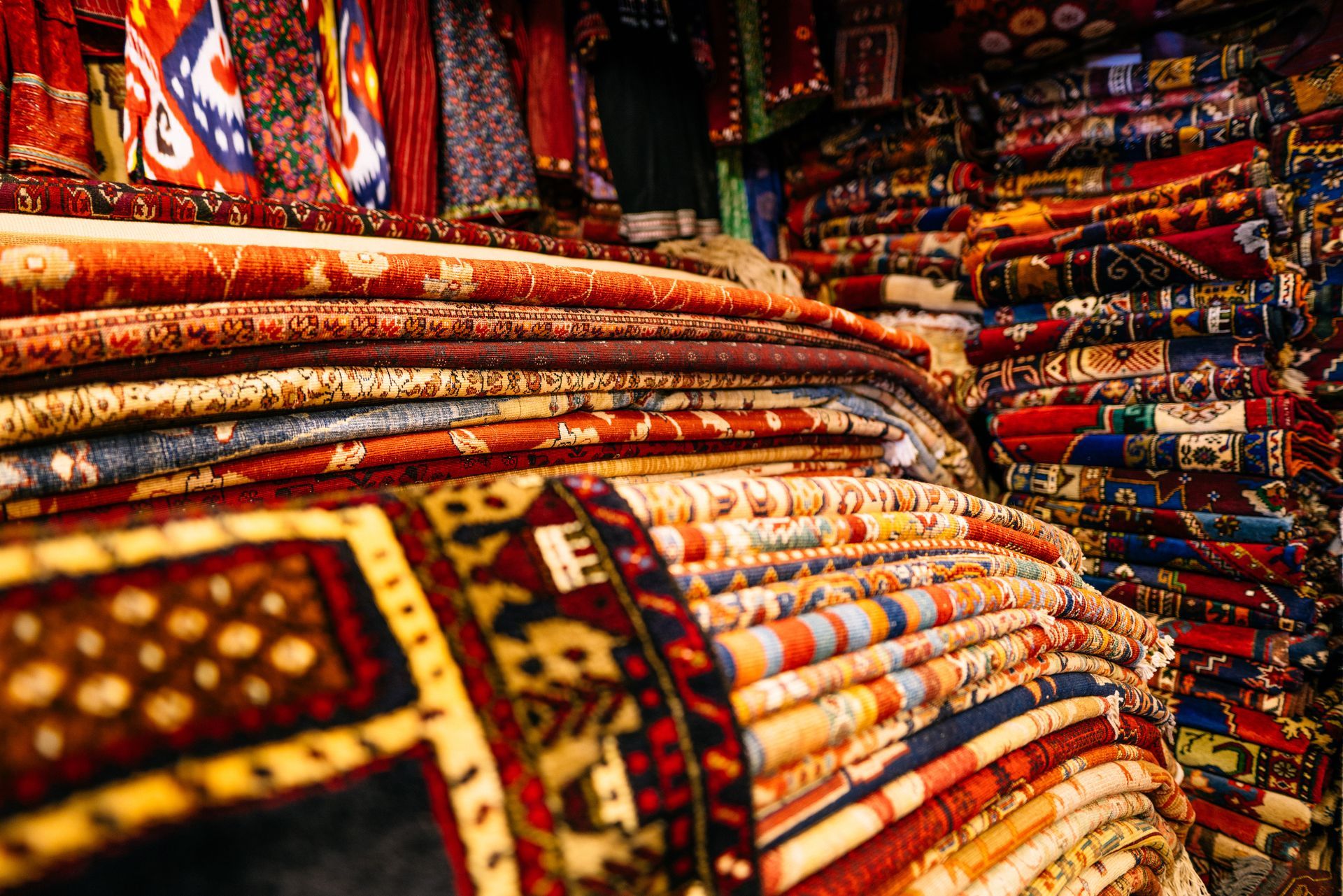
- Ask about the region of origin. Persian, Turkish, Afghan, and Indian hand-knotted rugs each have distinct knotting traditions, dye palettes, and motifs.
- Consider in-home presentations. Some dealers serving the Elm Grove and Cedarburg areas can bring selections to your home so you can see the rug in context before committing.
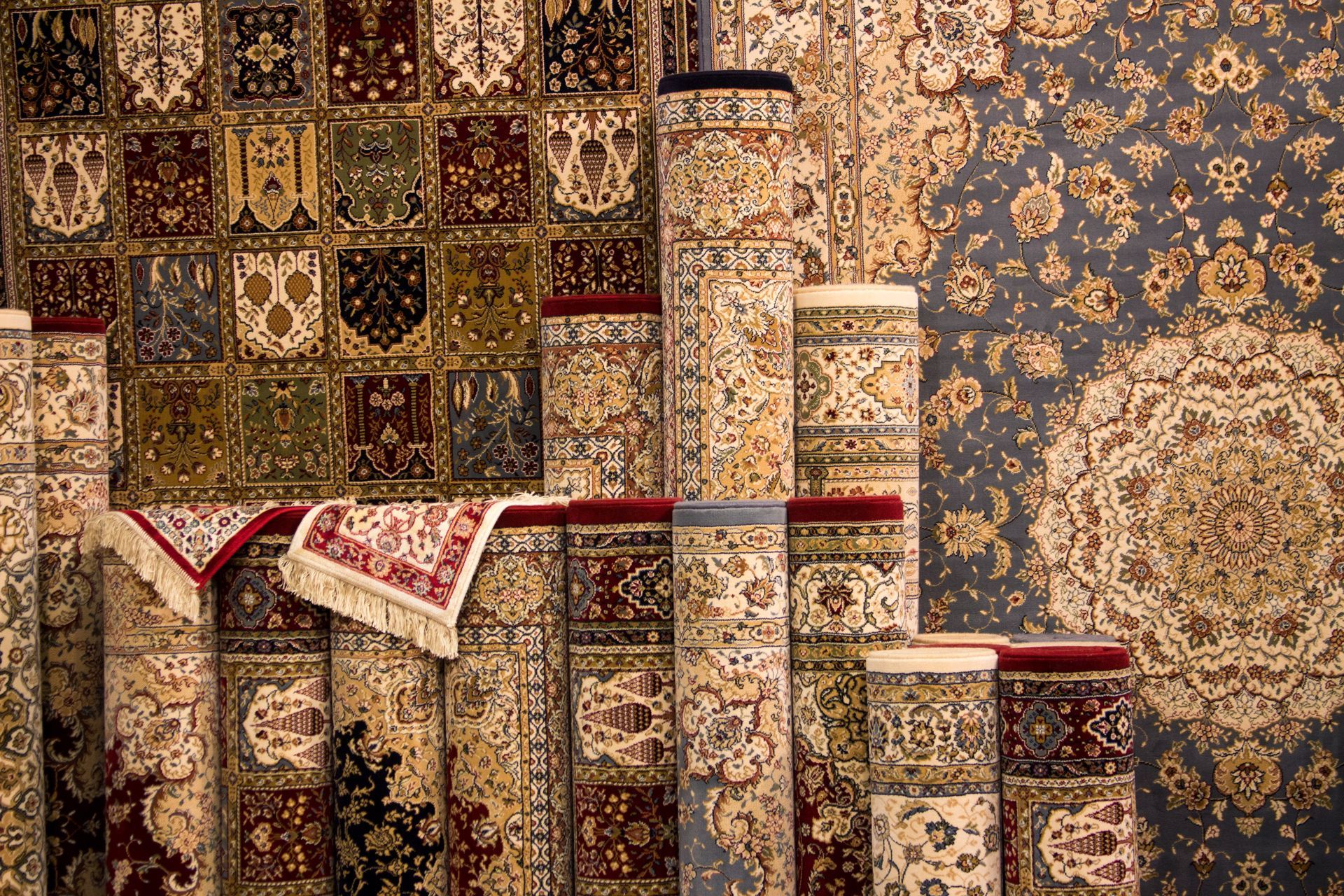
Buyers often appreciate the opportunity to see our full collection of Persian and oriental rugs before making a final decision.
Is It Worth Paying More for a Hand-Knotted Rug?
For most buyers who want a rug that will last decades, yes. The additional investment reflects hundreds of hours of skilled labor, the quality of natural materials, and a construction method refined over centuries. Machine-made rugs can be appropriate for high-traffic utility spaces, but for a living room, dining room, or primary bedroom in an Elm Grove or Cedarburg home, a handmade piece offers better long-term value. Families who invest in handmade oriental rugs in Elm Grove, WI, consistently find that the quality difference becomes more apparent with each passing year.
Ready to See the Difference for Yourself?
Shabahang and Sons Persian Carpets, serving Elm Grove, WI, and surrounding communities including Cedarburg and Whitefish Bay, offers a curated collection of authentic hand-knotted Persian and oriental rugs alongside expert cleaning, repair, and certified appraisal services.
Visit the showroom at 601 E. Ogden Ave., Milwaukee, WI, or reach out to request more information or an in-home presentation. You can also call (414) 347-1300 to speak with a specialist. Find Shabahang and Sons Persian Carpets on Google to read reviews and get directions.